Best Robot Vacuum
Stop researching. Get the right answer for your situation.
For most mixed-floor homes, the Roborock Qrevo Curv is still the robot vacuum that makes the most sense.
Roborock Qrevo Curv
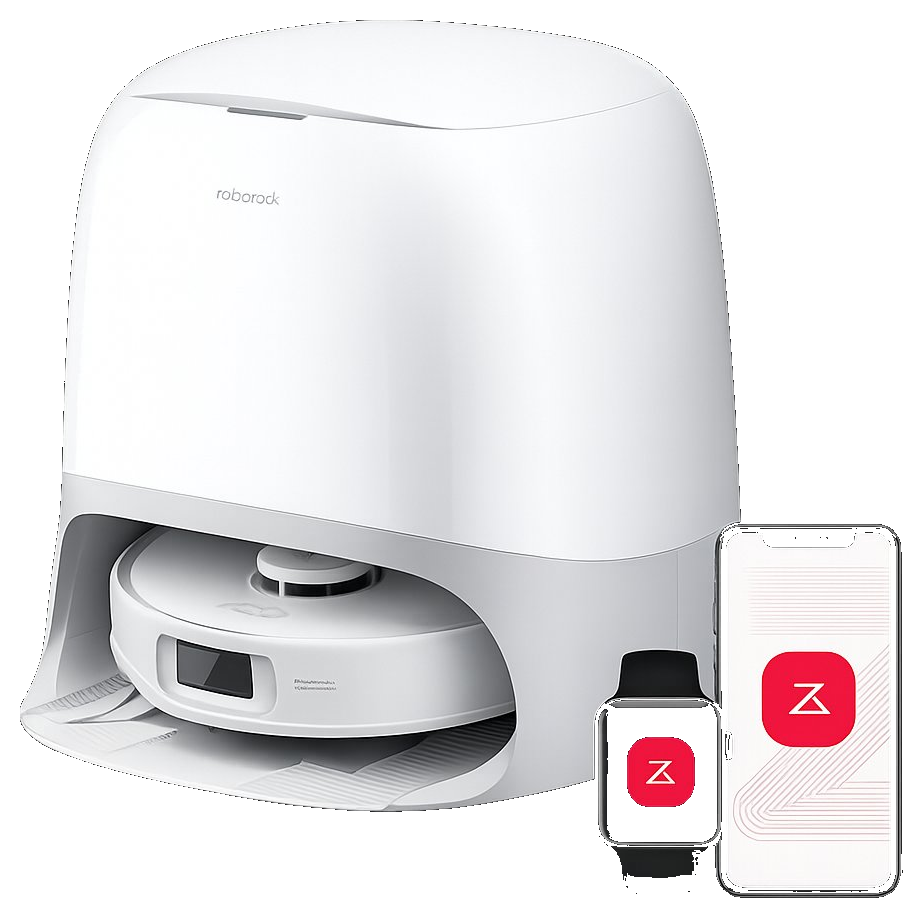
Best for mixed-floor homes that want strong daily automation without stepping into the most failure-prone premium complexity.
Decision Snapshot
- Price$850–$1,200
- Best forMixed-floor homes
- Stands out forBalanced automation, dependable navigation, and a stronger ownership fit than many premium alternatives
Why it wins: a better balance of automation, navigation, and ongoing ownership than many premium robots buyers cross-shop first.
Want the shortest path?
Compare the obvious alternatives →See where Roomba, Eufy, and older premium Roborock models still fall short for most buyers.
Why this decision holds up
- Amazon and specialty-retailer reviews across 15+ premium robot vacuum models.
- 12–24 month reliability reports from r/robotvacuums and home-tech communities.
- Dock reliability, navigation consistency, and brush-tangle complaints matter more than spec-sheet hype.
The dock needs space and monthly maintenance. If you want a truly zero-maintenance machine for months at a time, this is not it.
Already leaning toward it?
Check current pricing now — this is the point where most people already know whether the Qrevo Curv fits their home.
Check the priceAffiliate link. Disclosure
Who this is for
Homes with a mix of hardwood, tile, and low-pile carpet that need regular cleaning
Buyers who want strong suction and reliable mopping in a single device
People with pets who need tangle-resistant brushes and frequent empty cycles
Anyone willing to do a few minutes of dock maintenance in exchange for strong automation
Multi-room apartments and mid-size homes with defined cleaning zones
What buyers get wrong
Buying the cheapest robot vacuum expecting it to replace a stick vacuum
Over-spending on 'self-washing mop' gimmicks that still need manual cleanup
Assuming mapping solves thick-carpet pickup — suction and brush design still matter
Ignoring dock size and maintenance before buying
Treating battery runtime claims as gospel on mixed surfaces
What sounds convincing — but isn’t
Higher suction ratings
Higher Pa numbers do not automatically mean better carpet pickup. Brush design and pressure matter too.
LiDAR as premium
LiDAR mapping is standard now. The real difference is obstacle handling and reliability after furniture changes.
Self-emptying as hands-off
You still have to empty the dock bag and maintain the base. It is less-frequent, not maintenance-free.
Mopping as deep cleaning
Robot mops are for maintenance, not sticky spill cleanup. They reduce effort; they do not replace a real mop.
What about the obvious alternatives?
This is where the decision gets pressure-tested.
These are the models most buyers compare first — and the specific reason they still make less sense as the default choice for most households.
Roborock Qrevo Curv
Best for mixed-floor homes that want strong daily automation without stepping into the most failure-prone premium complexity.
Check the priceOpens retailer — pricing may vary
iRobot Roomba j7+
Better fit if you…
care more about obstacle avoidance and a specific Roomba-style ownership experience
Why it’s not the default
A better fit for a narrower use case, but not the strongest default for mixed-floor automation.
Check the priceEufy X10 Pro Omni
Better fit if you…
want to spend less and accept a weaker overall ownership case
Why it’s not the default
Can make sense on price, but the overall navigation, dock, and long-term case is weaker.
Check the priceRoborock S8 Pro Ultra
Better fit if you…
want a higher-end older Roborock and find it at the right price
Why it’s not the default
Costs more without enough real-world upside for most buyers today.
Check the priceWhat buyers still want to know
Does it actually mop well?
For daily maintenance on hardwood and tile, yes. For sticky or dried spills, no — you will still need a real mop sometimes.
How loud is it?
Standard mode is quiet enough for daytime use. Max mode is louder, but still manageable in most homes.
Will it pick up pet hair on carpet?
Yes, consistently. That is one of the strongest reasons it beats many older premium vacuums.
How often does the dock need maintenance?
Expect to empty the dust bag every several weeks, refill water regularly if you mop often, and clean the tray periodically.
Is the app necessary?
Strongly recommended. It unlocks schedules, zones, and the automation features that make the product worth buying.
Ready to stop researching?
For most people, the Roborock Qrevo Curv is still the robot vacuum that makes the most sense. Check live pricing if it fits your situation.
Check the priceAs an Amazon Associate we earn from qualifying purchases. See our affiliate disclosure.